

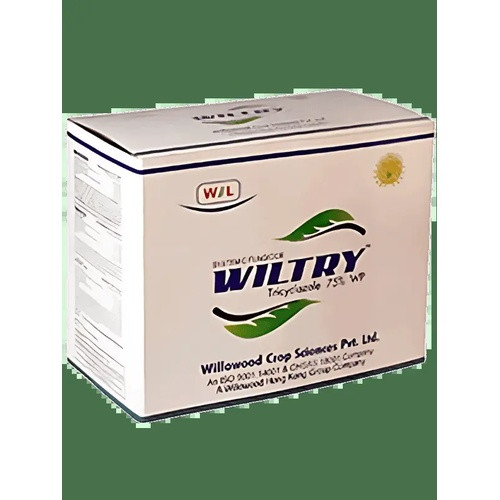
| Brand | : Willowood. |
|---|---|
| Data | : TRICYCLAZOLE 75% WP |
| Availability | : In Stock |
Available Options
-
Tags:
Willowood Wiltry , Willowood Wiltry Fungicide , Wiltry Fungicide , Willowood crop protection , agricultural fungicide , plant disease control , crop disease management , fungal disease control , fungal infection protection , crop protection solution , plant health management , fungal pathogen control , disease prevention in crops , agricultural disease control , farming fungicide , crop health protection , foliar disease management , plant infection control , fungicide for agriculture , crop care products , plant protection products , agricultural chemicals , farm fungicide , fungicide for farmers , crop disease prevention , fungal disease management , Willowood agriculture products , crop protection chemicals , plant disease management solution , agricultural fungicide product , fungicide for field crops.
Willowood Wiltry Tricyclazole 75% WP is a systemic fungicide recommended for the control of blast disease in paddy. Blast is a serious problem in rice crops across India, appearing as leaf blast, stem blast, and panicle blast. Wiltry provides broad protection during all stages of crop growth.
Key Benefits
Effective against leaf, stem, and panicle blast in paddy.
Strong systemic activity with leaf and root uptake.
Prevents fungus from entering and establishing in plants.
Offers protection across all rice growth stages.
Prophylactic action ensures early disease prevention.
Reliable performance with no reported resistance.
Mode of Action:
Tricyclazole inhibits polyhydroxynapthaline reductase enzyme and thus inhibits melanin formation in fungi (Pyricularia grisea).
In the absence of melanin, appressoria fail to produce penetrating hypha or penetration hypha fails to penetrate into host tissue. Hence disease is not allowed to spread.
It does not allow the fungus to establish by preventing its entry into the plant system.
It is highly systemic in action thus it is rapidly gets absorbed by rice leaves and roots and is translocated toward the leaf tip which suggests its xylem transport.
There is also a movement from a treated leaf to non-treated younger leaves.


0 Review For This Product